Column · @edgardieh051
Understanding Roof Pitch and Its Impact on Drainage Design
Roof pitch affects how water moves across a building and reaches its gutters, outlets and stormwater system. For properties in Hawkesbury, where heavy rainfall and leaf debris can challenge roof drainage, understanding this relationship helps prevent leaks, overflowing gutters and moisture damage.
Effective drainage is not simply a matter of installing larger gutters. It requires comprehensive drainage solutions that account for roof geometry, local rainfall intensity, gutter capacity, downpipe placement and safe overflow paths.
What Is Roof Pitch?
Roof pitch describes the steepness of a roof. In Australia, it is commonly expressed in degrees, although rise-to-run ratios are also used. For example, a roof rising one metre over a horizontal distance of four metres has a pitch of approximately 14 degrees.
Roof pitch and gutter fall are different measurements. Roof pitch directs water towards the roof edge, while gutter fall helps water travel towards outlets. A steep roof can still experience drainage problems if its gutters sag, its outlets are restricted or its downpipes are undersized.
How Roof Pitch Influences Water Movement
Low-pitched roofs
Low-pitched roofs generally drain more slowly and are less forgiving of ponding, installation defects and debris accumulation. Their performance depends heavily on suitable roofing profiles, correct sheet lengths, properly detailed laps and adequate support.

Every roofing product has installation limitations. A metal roof profile suitable for a shallow pitch may perform differently from tiles or shingles. During complete roof installation or comprehensive roof replacement, the contractor should verify the manufacturer’s minimum pitch rather than assume that any material suits the existing slope.
Steeper roofs
Steeper roofs generally shed water more quickly, but they do not generate more rainfall simply because they are steeper. Drainage sizing considers the effective catchment area, design rainfall intensity https://messiahcvrd541.birchreport.com/posts/5-ways-to-prepare-your-roof-for-hawkesbury-storm-season-2 and relevant design allowances.
Fast-moving runoff can overshoot poorly positioned gutters, particularly near valleys or large uninterrupted roof slopes. Advanced gutter solutions may involve revised gutter positioning, appropriately sized outlets or changes to drainage layout rather than simply increasing gutter depth.
Valleys and roof junctions
Valleys collect water from adjoining roof planes and concentrate it into a smaller discharge area. Extensions, dormers and upper roofs draining onto lower roofs can also create localised loads. These areas deserve particular attention during advanced roof repair, commercial roof repair and comprehensive roof reroofing assessments.
What a Hawkesbury Drainage Assessment Should Include
A useful assessment considers the entire water pathway, from the highest roof point to the lawful stormwater discharge connection. In Hawkesbury, nearby trees, exposed sites and intense storms make property-specific design especially important.
- Catchment area: Identify which roof sections feed each gutter, valley, box gutter and outlet.
- Rainfall intensity: Use location-specific design rainfall data rather than average annual rainfall.
- Gutter and outlet capacity: Assess gutter dimensions, fall, outlet restrictions and downpipe capacity together.
- Overflow provision: Provide a suitable escape route for excess water without directing it into the building.
- Debris exposure: Account for leaves, bark and maintenance access. Gutter guards do not eliminate cleaning requirements.
- Discharge arrangements: Confirm that drainage connects to an approved system rather than releasing water against foundations or neighbouring land.
Roof drainage design should follow the applicable National Construction Code requirements and relevant provisions of AS/NZS 3500.3, alongside manufacturer instructions and local approval requirements. The adopted editions and requirements should be confirmed for the specific project.
Choosing Repairs That Address the Actual Cause
Water spilling over a gutter does not automatically mean the roof needs replacement. Blocked outlets, incorrect falls, inadequate overflow provision or concentrated valley discharge may be responsible. Comprehensive roof repair should start with diagnosis rather than repeated patching.
Damaged gutter repair can resolve leaking joints, loose brackets and localised deterioration. However, aluminum gutter repair, often described locally as aluminium gutter repair, cannot correct a fundamentally undersized drainage system. Likewise, copper gutter maintenance should include checking compatible fixings and materials to reduce corrosion risks.
For commercial roofing, internal box gutters require particular care because failures can release water directly inside the building. Commercial gutter services should assess outlet performance, emergency overflow arrangements and maintenance access. Suitable commercial roof solutions address these issues together rather than treating each leak separately.
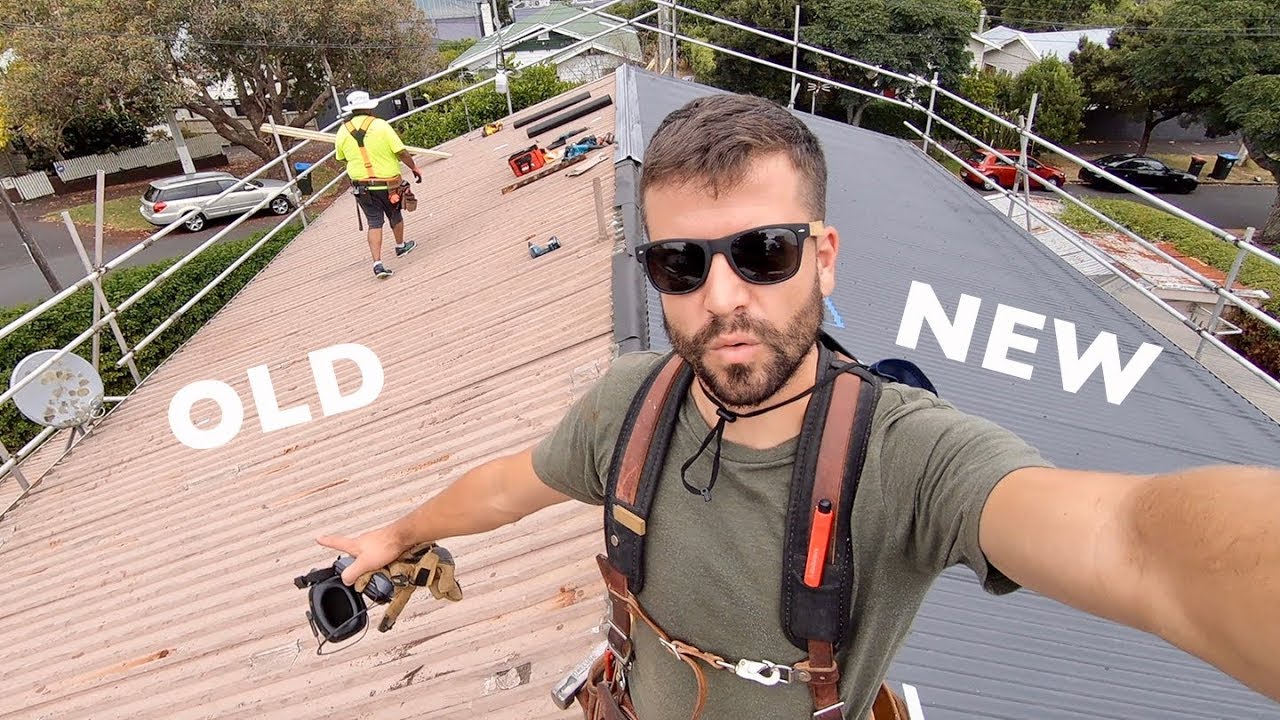
Consider Drainage Before Replacing Roofing Materials
A change in roofing material can affect detailing, water flow and the suitability of the existing pitch. Asphalt shingle replacement and cedar shake replacement, where these materials are present, require checks of product suitability, underlay and flashing details. They should not be treated as interchangeable with metal roofing or tiles.
Before proceeding with complete roofing replacement, ask whether the existing gutters and downpipes can serve the proposed roof layout. A comprehensive roof replacement assessment should also identify sagging areas, problematic valleys and previous alterations that redirect runoff.
When comparing providers advertising certified roof repair or certified roof reroofing, ask what the certification covers. Confirm relevant licensing, insurance, product training and written warranty terms rather than relying on the description alone.
Protecting Walls and Managing Roof-Space Moisture
Persistent gutter overflow can saturate masonry, damage finishes and contribute to dampness. Brick wall maintenance should therefore include checking the roof drainage above affected areas. Brick repointing services, brick mortar restoration and brick facade repair may address resulting damage, but they do not replace correction of the water source.
Brick wall weatherproofing and comprehensive sealing solutions also require care: an unsuitable coating can restrict drying or conceal an unresolved leak. Advanced painting techniques and commercial painting sealing should follow substrate repairs and moisture assessment, not substitute for them. Suspected movement or loss of brick structural integrity warrants assessment by an appropriately qualified professional.
Roof-space condensation is a separate issue from rainwater drainage, although both can cause damp insulation and staining. Customized roof ventilation, attic ventilation installation and attic ventilation repair may help where assessment identifies inadequate airflow. Advanced ventilation techniques and attic cooling methods should suit the roof assembly and climate. Attic heat reduction does not, by itself, fix leaking flashings or overflowing gutters.
Practical Maintenance for Hawkesbury Properties
- Arrange safe gutter and outlet cleaning at intervals suited to surrounding vegetation, with additional checks after major storms.
- From ground level, look for overflowing gutters, staining beneath eaves, loose downpipes and water collecting near walls.
- Have recurring leaks assessed before applying more sealant or repainting damaged surfaces.
- Request a drainage review when adding an extension, changing roofing materials or planning comprehensive roofing services.
The right drainage design matches the roof’s pitch, catchment and discharge conditions. Comprehensive gutter services and comprehensive roof maintenance help keep that design working, protecting Hawkesbury properties from avoidable water damage. Leave roof access and close-up inspections to suitably equipped professionals.
Top Hawkesbury Roofer
Bells Line of Rd, Kurmond NSW 2757, Australia
(02) 4503 4545